





In this tutorial

My notes from this video
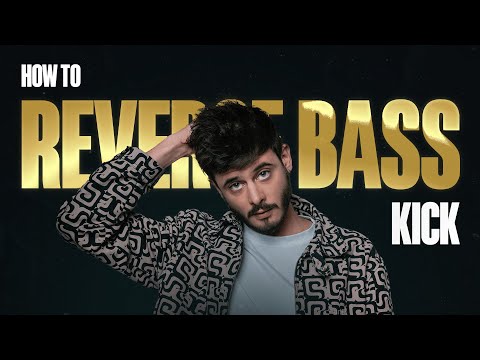
I start with a good punch and cut off anything that's over half a beat. Then I duplicate it into mixer 2, which becomes a completely wet rumble, and route both into a final kick bus. On the rumble goes Fruity Reeverb 2. Remove the dry sound, turn the wet to a hundred percent, open the size all the way and add a little bit of decay.
After that a parametric EQ with a steep low pass, and Maximus on the default setting with the compressor off, so everything in the low band under around 150 is mono. Then a wave shaper to make the rumble come to life, one more low pass, and a limiter at the end with the ceiling up. I automate its gain to blend the rumble with the punch.

In the main kick bus I add a wave shaper. It has to clip against zero dB, and a great setting is putting it on half sine. Listen how that deals with the crunchy, distorted sound of the kick. In front of it I do tone control with an EQ and a soft clipper.
This is the stage where you have to understand how the sub and clipping work together. If you add a lot of bass in front of a soft clipper, it gets very distorted and crunchy. If you take it down, it lets the mids breathe a bit more. But you do not want to lose all your low end.

One thing I want to enhance is the mid rumble. Instead of opening up the rumble more, I keep it as the low rumble and drag the channel over to four, our high rumble. Assign the punch into four and four into the kick bus. Roll off the lows with a high pass, order eight, and open the mids a bit more. Then automate the gain on the limiter in four, and boom, a crunchy mid layer that enhances the whole kick.
The low and high rumble setup means I don't have to make a very distorted kick. It gives a powerful rumble kick without that extremely clipped sound.
It's really important to look at the phasing of the kick. That's the trick I mentioned in the beginning. PsyScope is an oscilloscope that is also beat matched, so if I play a kick and loop it, it consistently shows me the phasing. Keep playing it a bit, because the reverb gets put over the old version of the first kick, and after a while the waveform stabilizes.
A kick reverb is basically a bunch of reflections in the room. They play with each other and phase interfere, causing phase cancellations or phase boosts. That's what we see going on in the oscilloscope, and different settings will give you different rumbles.
First fix the setting of the reverb, so we have a better waveform without as many cancellations. Changing the blend with the punch changes the phasing too. Then play around with the size of the room until you find something passable. Whatever low points are left, I distort with another wave shaper in the rumble. More drive, but without completely clipping it.
Then use high pass filters for deliberate phase shifts. Take an EQ, high pass, order eight, start at 20 Hertz and add it right after Maximus. Move it around until you fix the most phasing issues. This is not going to ruin the kick. We still have low frequency information, and the rumble gets pushed into the phase position we want.

FL Studio·Fruity Reeverb 2·Fruity Parametric EQ 2·Maximus·Fruity WaveShaper·Fruity Limiter·Fruity Soft Clipper·PsyScope Pro

Free Rumble Kick Tutorial
Get this one free, plus hundreds of techno sounds, presets & project files. Unlock our freebie vault.
We only send you techno content. Unsubscribe anytime.
Open the Freebie Vault